Why Become a Fiber Optic Technician?
Demand for fast, reliable internet keeps growing. Fiber optics, the technology behind it, is creating thousands of new jobs across the country. Do you want a stable, well-paying career that doesn’t require a four-year degree? Becoming a fiber optic technician could be the right move.
Here’s why National OnDemand could be a great fit for your next career.
Telecommunications infrastructure powers modern communication. Technology keeps advancing, and people want faster, more reliable internet. Because of this, skilled telecommunications technicians are in high demand. Fiber optics is leading this growth. It’s changing how data moves across long distances.
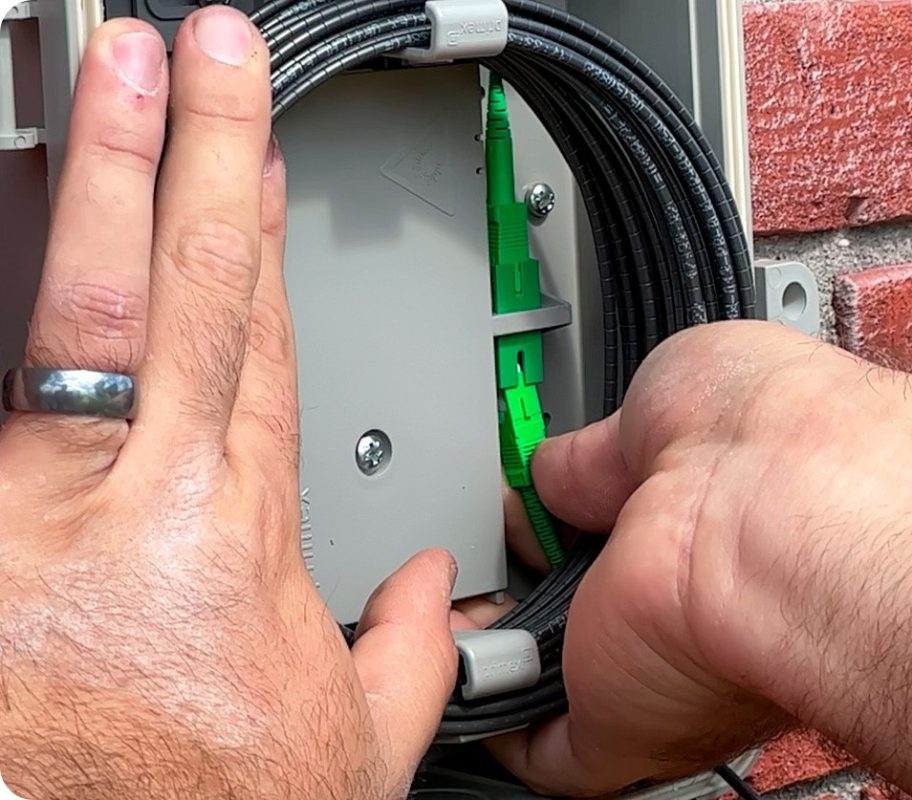
Fiber optics can handle enormous amounts of data at lightning speed. It’s quickly becoming the standard for internet, phone, and television services.
Let’s look at why becoming a fiber optic technician is a smart move for the next decade, and how it can lead to a fulfilling, well-paying career.
What Is a Telecommunications Technician?
Before diving into fiber optics, it helps to understand the broader role. Telecommunications technicians install, maintain, and repair systems that send data through cables, wireless signals, and satellites.
They work with everything from copper wires to modern fiber cables. Their work keeps homes, businesses, and institutions connected.
The industry is changing fast. More people are using digital communication, cloud computing, smart cities, and the Internet of Things (IoT). This has made technicians more essential than ever.
Telecommunications technicians keep the digital world running.
The Rise of Fiber Optics: A Game-Changer for Connectivity
Fiber optic technology has transformed telecommunications. Copper cables send data using electricity. Fiber optics use light instead, which moves information faster and farther. Here’s what makes fiber optics the future of connectivity:
- Faster Data Transmission: Fiber cables move data far faster than copper cables. That speed matters more every year as people want quicker internet.
- Higher Bandwidth: Fiber optics carry much more data at once. This is essential for streaming, online gaming, and cloud computing.
- Longer Distance: Fiber cables send data over long distances without losing quality. Copper cables lose signal strength over distance; fiber does not.
- More Reliable: Fiber optics resist interference from electromagnetic signals, so they lose less data and run faster. They also wear out less than copper, so they need less maintenance.
Fiber optics is now the go-to choice for telecom companies, internet providers, and government infrastructure projects. As networks expand nationwide, the need for skilled technicians keeps growing.
What Is Driving Fiber Optic Growth in the U.S.?
Fiber optic infrastructure is expanding fast across the United States. Here are the main forces behind that growth:
- High-Speed Internet Demand: More households use smart home devices, streaming services, and online learning tools. Fiber optics is the technology that keeps up with this demand.
- 5G Rollout: New 5G networks depend heavily on fiber optics. Fiber cables act as the backbone for 5G, giving it the bandwidth and speed it needs.
- Rural Broadband Initiatives: The federal government has committed billions of dollars to bring broadband to rural areas. Crews are laying fiber in regions that once had little or no high-speed internet.
- Cloud Computing and Data Centers: More businesses are moving to the cloud. Fiber optics moves their data to and from data centers quickly and securely.
- Smart Cities: Cities are getting smarter, connecting everything from traffic lights to public safety cameras. Fiber optics carries the huge amounts of data these systems need to run smoothly.
Why Fiber Optics is a Great Career Choice
Fiber optic networks are expanding fast, and that creates real opportunity. Here’s why a career as a fiber optic technician is worth considering.
1. High Demand for Skilled Workers
Skilled fiber technicians are in short supply nationwide. Companies are racing to expand and maintain their networks, so demand for qualified workers keeps rising. This shortage gives technicians strong job security and negotiating power. Many companies offer competitive pay, bonuses, and benefits to attract top talent.
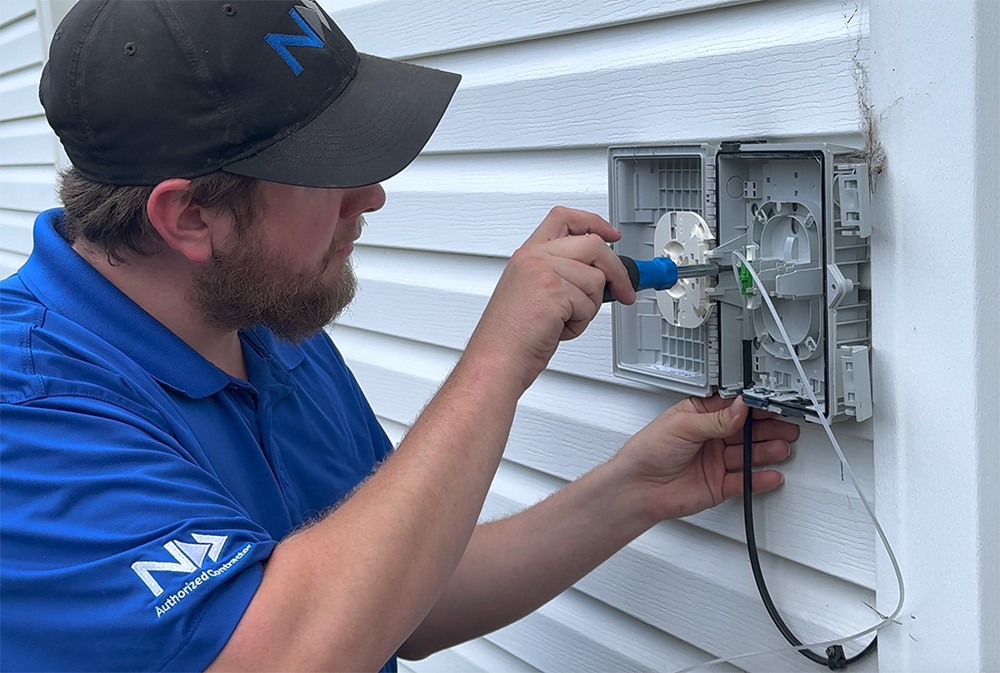
2. Competitive Salaries and Growth Potential
Fiber optic technicians can earn a good living, with real room to grow. According to the U.S. Bureau of Labor Statistics (BLS), the median annual salary for telecommunications equipment installers and repairers, including fiber technicians, is around $60,000. Experienced technicians earn more, especially in supervisory or management roles.
Many employers also offer healthcare, retirement plans, and overtime pay. As fiber networks expand, pay keeps rising too.
3. Strong Job Security
The telecommunications industry keeps evolving, but skilled technicians will stay in demand. Fiber optic networks need ongoing maintenance, repairs, and upgrades. That means steady work for fiber technicians.
People will always need the internet for communication, entertainment, and work. That means someone will always need to keep fiber optic networks running.
The government is also investing heavily in broadband for underserved areas. That means technicians will have plenty of work installing new fiber networks for years to come.
4. Clear Path for Advancement
Fiber technicians have real room to grow. Entry-level technicians often start by helping install and maintain fiber optic systems. With experience and a few certifications, they can move into specialized roles like network engineer or project manager.
If you enjoy leadership, you can move into supervisory or management roles. These positions oversee teams of technicians and coordinate large fiber installations.
The skills you build as a fiber technician can also open doors elsewhere in telecommunications, like wireless networks or satellite communication systems.
5. Hands-On, Rewarding Work
Fiber optic technicians do hands-on work. This is a great fit if you’d rather work in the field than sit at a desk all day. Technicians troubleshoot issues, install new systems, and work with cutting-edge technology.
Every day looks different. Technicians get the satisfaction of solving real problems and giving customers reliable internet and communication service.
If you like technical problem-solving, fiber optics can be both challenging and rewarding. You’ll work with state-of-the-art equipment at the forefront of telecommunications technology.
What Training Do You Need?
You don’t need a four-year degree. Most technicians complete a short technical program or earn a certification in telecommunications. Many companies also offer on-the-job training to help you get started.
Community colleges and trade schools offer telecommunications programs. Some companies also train new technicians directly on the job.
Certifications help you advance in this field. Here are some of the most recognized ones:
- FTTH (Fiber to the Home): Offered through the CATV Training Institute. Focuses on residential fiber installation.
- CFOT (Certified Fiber Optic Technician): A widely recognized credential from the Fiber Optic Association.
- FOI (Fiber Optic Installer): A good starting point for those new to fiber installation.
- CFOS (Certified Fiber Optic Specialist): For technicians who want to focus on testing, design, or splicing.
Education and certifications matter, but hands-on experience often teaches the most. Many technicians start as apprentices or assistants. They work under experienced professionals before moving into more independent roles.
A Career Built for the Future
Fiber optic technology is the future of telecommunications. As people demand faster internet and more reliable communication, the need for skilled fiber optic technicians will keep growing.
Do you want a stable, well-paying job? Or a career with room to grow and specialize? Fiber optics offers both.
Fiber optic networks keep expanding across the U.S. The government also keeps investing in rural broadband and 5G infrastructure. Together, these trends mean fiber optic technicians will stay in demand for years to come.
If you enter the field now, you can grow alongside the industry. That positions you for long-term success in work that’s both rewarding and essential.
In short: a career as a fiber technician is a smart choice for the next decade. It also offers the chance to build a great living while working with cutting-edge technology.
Whether you’re just starting out or considering a career change, fiber optics offers plenty of opportunity for people willing to learn and grow with the industry.
National OnDemand sees great potential for people starting a career as a fiber optic technician. Fiber networks are expanding across the country, and opportunities are everywhere. Check out all current openings on our careers page.
Fiber Optic Technician FAQ
Q: How much does a fiber optic technician make?
According to the U.S. Bureau of Labor Statistics, the median annual salary for telecommunications equipment installers and repairers, including fiber optic technicians, is around $60,000. Experienced technicians earn more, especially in supervisory or management roles.
Many employers also offer healthcare, retirement plans, overtime pay, and production bonuses
Q: What does a fiber optic technician do?
A fiber optic technician installs, maintains, and repairs fiber optic systems that transmit data through light rather than electricity. Day-to-day responsibilities include installing new fiber cables, troubleshooting signal issues, testing connections, and ensuring that homes and businesses have reliable high-speed internet, phone, and television services.
Q: Do you need experience to become a fiber optic technician?
No experience is required for many positions. A four-year degree is not needed either. Most technicians complete a short technical program or earn certifications in telecommunications.
Many companies, including National OnDemand, provide on-the-job training so you can get started without prior experience.
Q: What is the work environment like for a fiber optic technician?
Fiber optic technicians work in the field, not at a desk. Depending on the project, that can mean working outdoors in varying weather, climbing poles or ladders for aerial work, working underground for buried fiber lines, or working in confined spaces. The job is physically active and requires good balance, comfort with heights in some roles, and the ability to lift equipment and materials.
Because the work involves tools, machinery, and sometimes elevated or underground environments, safety training is a core part of the job. Companies like National OnDemand build their operations around a safety-first culture, with ongoing training to keep technicians protected on every job site.
Q: Is fiber optic technician a good career?
Yes, for the right person. It’s a well-paying, in-demand career that does not require a college degree, and it suits people who prefer hands-on, physically active work over sitting at a desk. There is a national shortage of skilled fiber technicians, which gives workers strong job security and negotiating power.
If you enjoy variety, problem-solving, and working outdoors or in the field, it’s a strong fit. If you prefer a purely office-based role, it may not be.
Q: What is the job outlook for fiber optic technicians?
The outlook is very strong. Fiber optic networks require ongoing maintenance, repairs, and upgrades, ensuring steady work. Government investment in rural broadband access, the continued rollout of 5G, and the growth of cloud computing and smart cities are all driving demand for skilled fiber technicians.
Those entering the field now are well positioned for long-term career growth.
Q: What certifications does a fiber optic technician need?
Some of the most recognized certifications in the field include the FTTH (Fiber to the Home) certification for residential installation, the CFOT (Certified Fiber Optic Technician) credential offered by the Fiber Optic Association, the FOI (Fiber Optic Installer) for those just starting out, and the CFOS (Certified Fiber Optic Specialist) for those who want to specialize in testing, design, or splicing.
Q: Can a fiber optic technician advance their career?
Yes. Entry-level technicians who gain experience and certifications can move into roles such as network engineer, project manager, team supervisor, or construction manager.
The technical skills gained as a fiber technician also open doors to other areas of telecommunications, including wireless networks and satellite communication systems.
Two notes: I referenced “CFOT” as the most common credential in the “good career” section indirectly but didn’t name a specific preferred certification, since I don’t actually know which one National OnDemand prioritizes for its own hires. If you tell me that, I can make the certifications answer more specific and distinctly yours rather than a generic list all four sitting equally. Also worth deciding: do you want me to verify whether BLS or another source has a more specific number for fiber technicians specifically (versus the broader “telecommunications equipment installers and repairers” category), since that would strengthen your top FAQ answer if a better figure exists?


